


South African unions urged the government Tuesday to work to save a US duty-free trade deal that supports thousands of jobs, while analysts played down the broader economic impact.
Washington announced Monday that from January 1 South Africa and Rwanda would be removed from the Africa-US trade preference programme granted to several countries.
About 10 percent of South African exports to the United States in 2025 entered under the African Growth and Opportunity Act (AGOA) programme, which mainly covers the agriculture, manufacturing and automobile sectors.
The country's largest trade union federation, Cosatu, told AFP that between 3,000 and 10,000 agriculture and manufacturing jobs could be on the line.
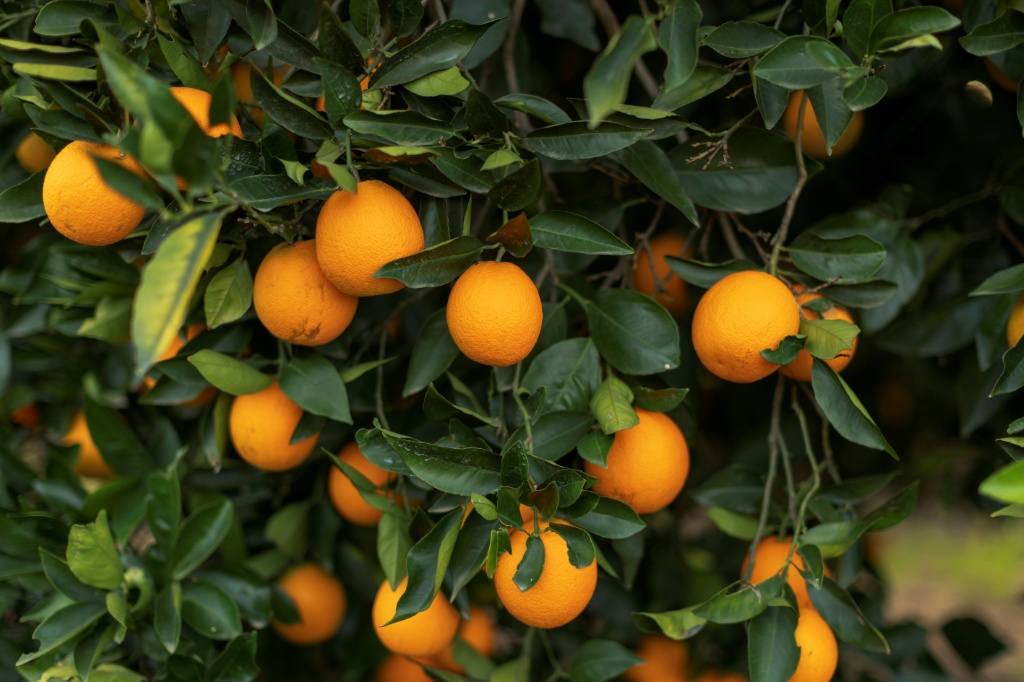
Some of the companies most at risk are based in small towns, for example the citrus-producing areas of the Western Cape province, said Cosatu representative Matthew Parks.
"There's a danger of creating ghost towns," he said.
"We are meeting with government to encourage them to go to the US, use the next 60 days to negotiate a possible package deal," Parks said.
The Citrus Growers' Association of Southern Africa warned Monday that jobs and the economies of entire towns were at stake.
South Africa is the largest beneficiary of AGOA, which grants eligible sub-Saharan African countries preferential access to the US market.
The deal has been renewed until the end of 2028 but South Africa and Rwanda were given notice of their removal after an annual review that cited "concerning" practices.
These include "barriers that undermine American trade and investment and practices that pose a threat to US national security and foreign policy interests", a US statement said.
Pretoria had been prepared for exclusion because of its battered diplomatic ties with Washington over various domestic and international policy differences.
For the automobile sector, "the most severe blow" had been the Trump administration's 25-percent tariffs imposed in April 2025, said the Motor Industry Staff Association (MISA) union.
As a result, South African vehicle exports to the United States plunged by 83 percent to 4,136 units in 2025, it said in a statement.
"Government must make full use of the 60-day notice period because the possibility of reinstatement remains," it said, also calling for an "automotive trade solution".
"While the decision is significant and disappointing, it does not amount to a trade ban. South African vehicles will continue to be sold in the American market," MISA said.
International relations expert Kingsley Makhubela said it would be a "waste of time" for South Africa to appeal its removal.
"It's a political decision that has been made by the Trump administration; it's not a trade decision," he told AFP.
Makhubela said 134,000 jobs could be directly impacted, significant in an economy with an official unemployment rate running above 30 percent.
But Daryl Swanepoel, from the independent Inclusive Society Institute (ISI) policy research group, said claims of massive job losses were "alarmist" and assumed South African products would not be sold at all, which was not the case.
The United States will still need certain imports, for example citrus, even though they will be more expensive to consumers, he told AFP.
Minerals -- a major South African export -- remains exempted, he said, estimating the loss of AGOA would impact GDP by less than one percent.
"I believe the South African economy is mature enough to deal with this," Swanepoel said.
Removal from the duty-free deal "does not mean that all South African exports to the US will suddenly face new tariffs or disappear," said economist Johann Els, from PSG Financial Services.
While AGOA covered 10 percent of South African exports to the United States, this was just 0.7 percent of the country's total exports, he said in a statement.
"So, while the absolute numbers may look significant, the share of our overall exports directly affected is relatively small," he said.