


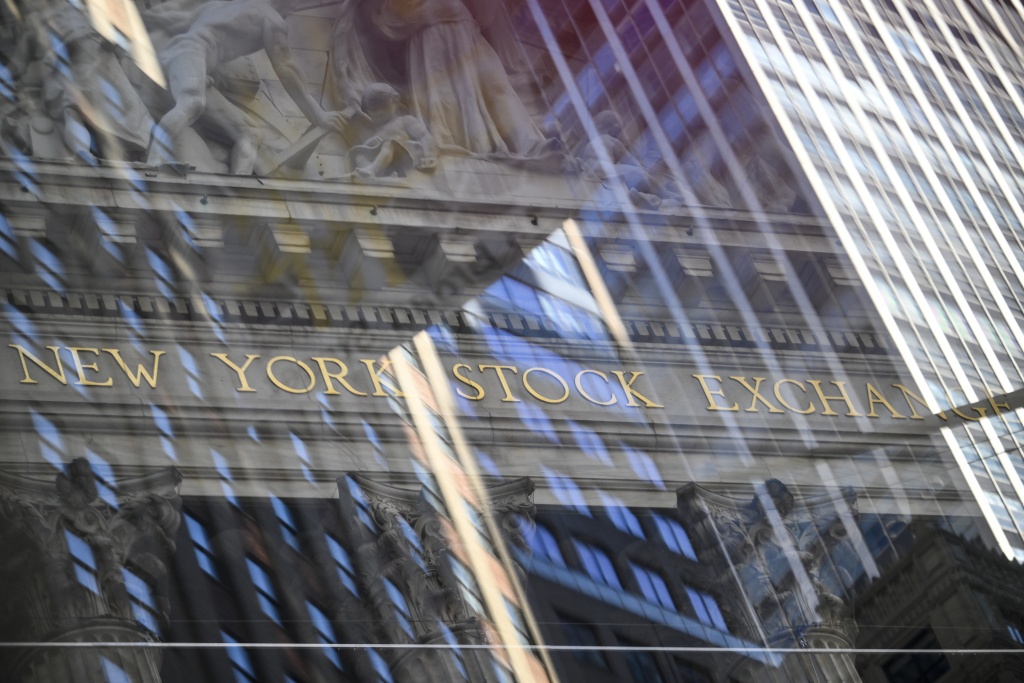
"Correction" is not the word investors want to hear, but the stampede out of AI and technology stocks this week has heightened doubts about the sustainability of the four-year bull run for markets.
Further declines would have wide-ranging financial and economic consequences amid the massive AI spending, much of it fuelled by companies taking on huge amounts of debt.
AFP takes a look at how tech sector weakness could impact governments and households.
Outlays on data centres to train and power artificial intelligence models have become one of the main growth engines for the US economy, the world's largest.
"That contributed to 30 percent of growth in the United States in 2025 and 2026," said Bruno Cavalier, economist at the bank Oddo BHF, with spending on data centres surging by 150 percent.
The resulting demand for cutting-edge chips and other high-tech equipment has boosted share price gains across the technology sector.
But the centres also need power sources, intensive cooling systems, and old-fashioned construction, plumbing and electrical work, all providing money and jobs for local communities and beyond.
Opposition has been building over worries about the environmental and human costs of the huge server farms, including air pollution, higher energy costs, water use and noise.
The Democratic wave in this week's midterm elections in the United States raised investor fears of a regulatory crackdown -- prompting the heavy selling on Wall Street on Thursday.
Markets are pricing in the risk that "Democratic victories in the states with the most projects will make construction more expensive and longer to complete", said Kevin Thozet at the asset management firm Carmignac in Paris.
Share ownership is widespread in the United States, where individual retirement funds invested in stocks and bonds are much more prevalent than government-funded pensions.
"Forty-three percent of household wealth is now exposed to the stock market, an increase of 10 percentage points from 2000," said Cavalier.
A sustained market downturn would directly impact their spending power, especially for retirees, creating a wider economic risk.
And "the richest 10 percent of Americans now account for half of consumer spending", said Alexandre Baradez, an analyst at the brokerage IG France.
"They're the ones who own the most stocks and have benefited the most from the tech stock gains," he said.
A market crisis could crimp their spending as well, meaning it would no longer compensate for the spending pullback among average Americans since the inflation spike provoked by the US war against Iran.
Rising interest rates complicate the picture, since they lift borrowing costs for the billions of dollars in debt AI firms have taken on to finance the data centre rollout.
"This is not an easy time, with shares falling and high rates on debt markets -- and little chance of any easing moves soon by central banks," Baradez said.
Tighter financial conditions and higher cash needs could make investors wary of putting up more money, or lead them to reduce exposure to the sector.
For Jacques-Aurelien Marcireau at Stilgar, an asset management firm in Paris, American politicians are aware of the risks.
"The truth is that Democrats will be pragmatic: there won't be any general halt to data centre construction," he told AFP.
But a slowdown "could even be healthy, by halting the most vulnerable projects", he said.
The tech-heavy Nasdaq index had already wobbled before this week and now is officially in a correction, having fallen around 12 percent over the past month.
That wiped off $2.5 trillion in market valuation for Nasdaq companies alone.
Investors now question the prospects for the imminent initial public share offering from Claude-maker Anthropic, which had been tipped to surpass SpaceX's earlier this year as the biggest ever.
It has reportedly been looking to raise a whopping $100 billion this month to buy the chips and other equipment for its computing needs, which could have valued the start-up at up to $2 trillion.
Now it may have to settle for less, potentially complicating its race to dominate the market.
Its rival OpenAI has already pushed back its IPO plans to sometime next year.
"Anthropic will be the big test," Baradez said.
Latest stories

Sports Olympic refugee athletes target glory -- and a better life for families
Lourence Numukiza, a 16-year-old athlete from DR Congo, has gone from being a war refugee to earning a prized berth at the...
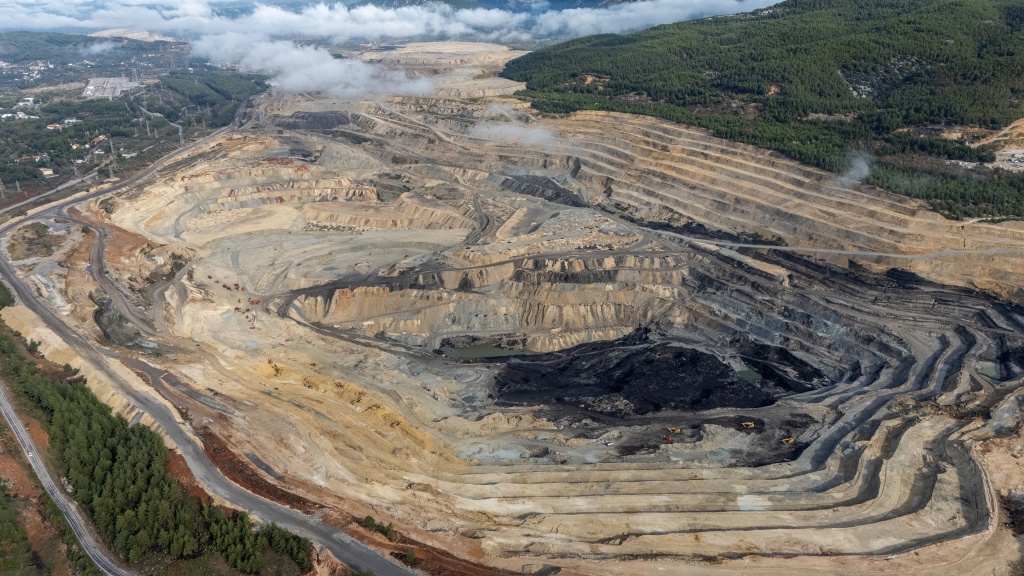
Climate and Environment 'Pit of hell': Turkish mum, daughter lead fight against coal mine
Near her village in southwestern Turkey, Nejla Isik walks through what remains of the devastated Akbelen forest, pausing to stare down at the coal mine...

Sports England fly-half Fin Smith fit to start against Australia
England were given a boost as Fin Smith was passed fit to start at fly-half in their November Nations Championship opener against Australia at Twickenham on...