


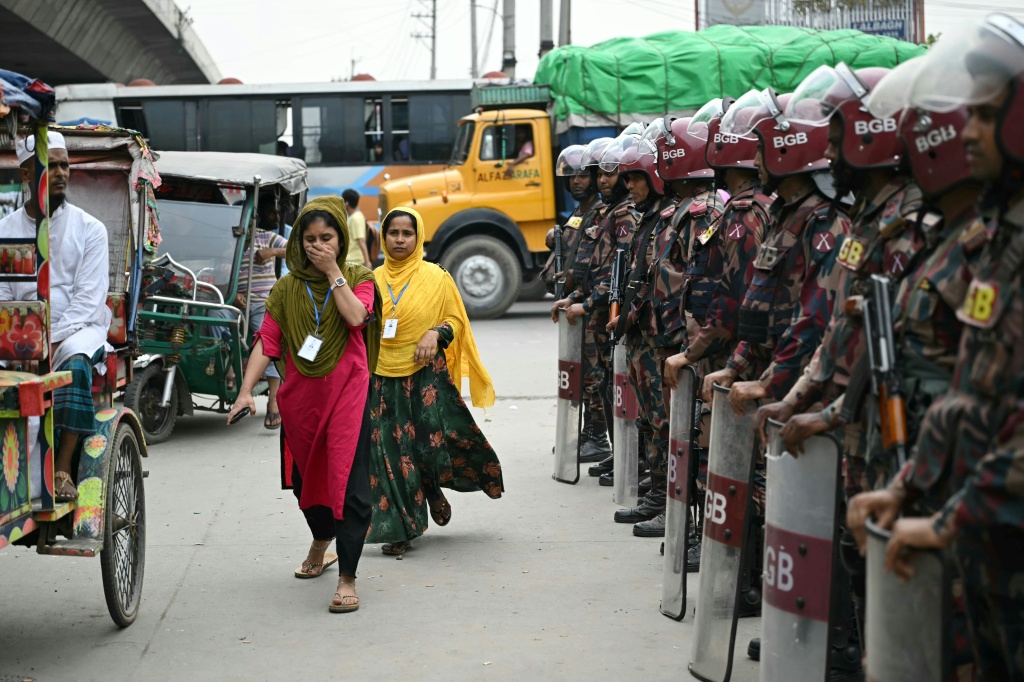
Bangladesh's garment industry wage board said on Wednesday it had agreed to raise the minimum wage for workers in the key export sector, following five days of protests and sporadic clashes.
The South Asian nation of 170 million people is the world's second-biggest garment exporter behind China, making clothes for some of the world's best-known brands.
The sector employs more than four million people and its success is marred by longstanding disputes over wages, working conditions and labour rights.
Thousands of garment workers have been protesting since Saturday, demanding higher pay, throwing bricks and erecting barricades as police fired tear gas to disperse crowds.
"The workers have been demanding a wage increase by December so that they can receive their revised salaries in January," said Babul Akter, the workers' representative on the board.
"The representative of the factory owners on the wage board agreed, too. We agreed on this point... We are working together."
Workers say the rising cost of food, housing, transport and healthcare has eroded their purchasing power in a country with eight percent inflation.
They are demanding a minimum monthly wage of 30,000 taka ($240), a 140 percent increase on the current 12,500 taka.
The board, comprising representatives of employers and workers, was set up by the government on Sunday to negotiate a pay rise. It did not specify the size of the increase.
"We will complete our work by December so that workers can receive their increased salaries by January," said ABM Shamsuddin, the Bangladesh Garment Manufacturers and Exporters Association (BGMEA) representative on the board.
Bangladesh's garment industry generates around four-fifths of the country's export earnings, worth up to $38 billion.
The United States is its biggest individual market, while the European Union is its largest trading bloc.
Workers make clothes for companies that range from Fruit of the Loom to Levi Strauss and VF Corp, whose brands include Vans, Timberland and The North Face.
As the board held talks on Wednesday morning, protests continued in major industrial centres including Gazipur, Mirpur, Narayanganj and Savar.
Narayanganj Industrial Police Superintendent Abdullah Al Mahmud said protesters had vandalised factories and mobilised workers to join the strike.
"We are not going to let them put up any blockades anywhere," Mahmud told reporters.
Amjad Hossain, superintendent of Gazipur Industrial Police, said the situation was "tense".
Latest stories
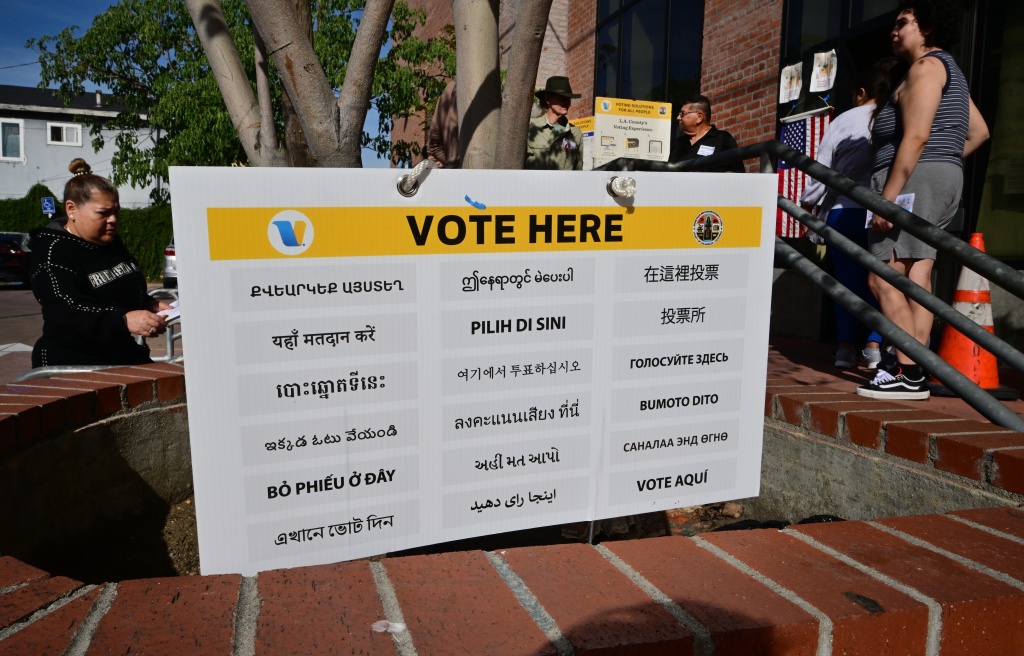
Society Historic leadership firsts for minorities across US in midterm vote
The US midterm vote ushered in a wave of historic leadership firsts across the country on Tuesday, electoral milestones on a night that saw voters issue a sharp rejection...
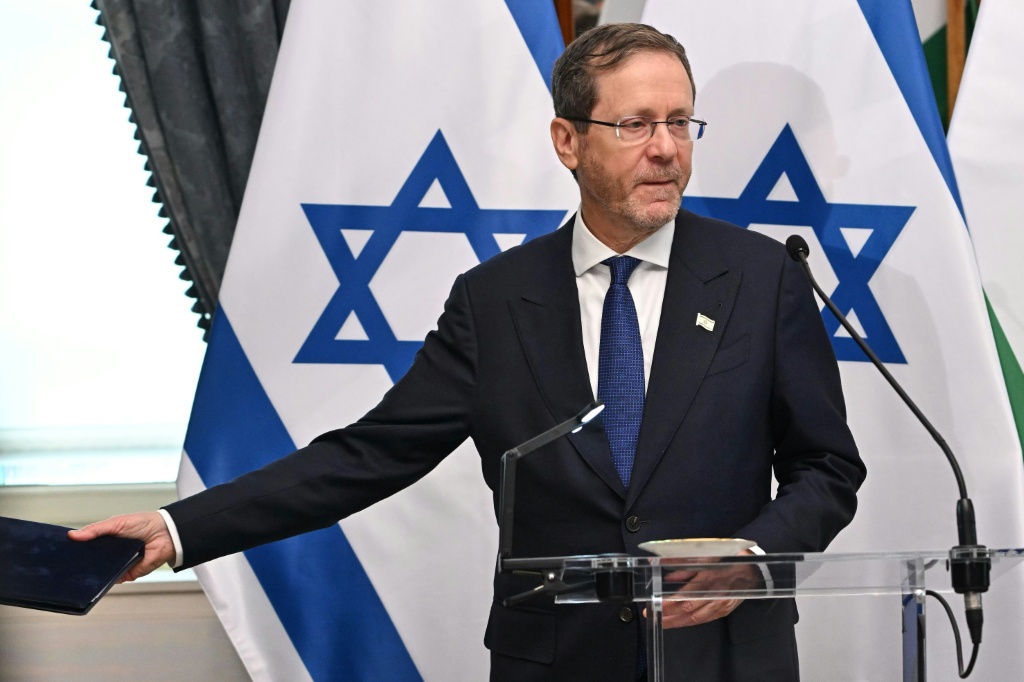
Middle East Israel election commission rejects Netanyahu charges of fraud
Israeli electoral authorities on Wednesday rejected allegations promoted by Prime Minister Benjamin Netanyahu of fraud by Arab parties, who could hold the key to removing him...
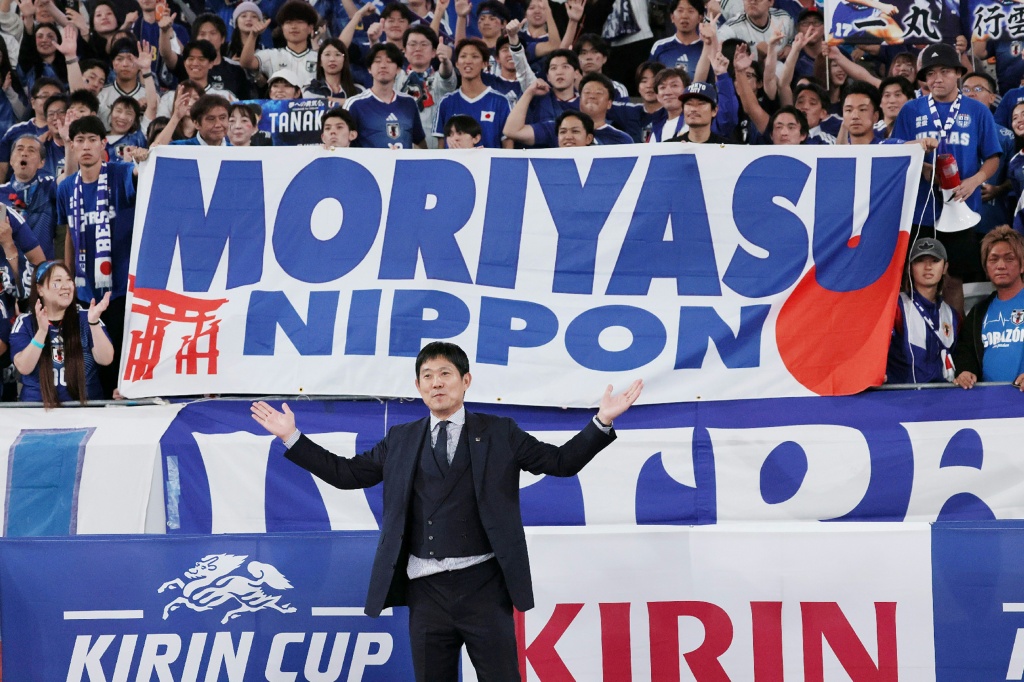
Football Japan boss accepts 'reality' as Asian Cup shift muddies departure
Japan coach Hajime Moriyasu said Wednesday that he would "accept reality" after the 2027 Asian Cup's postponement from January to December likely cost him his last...