


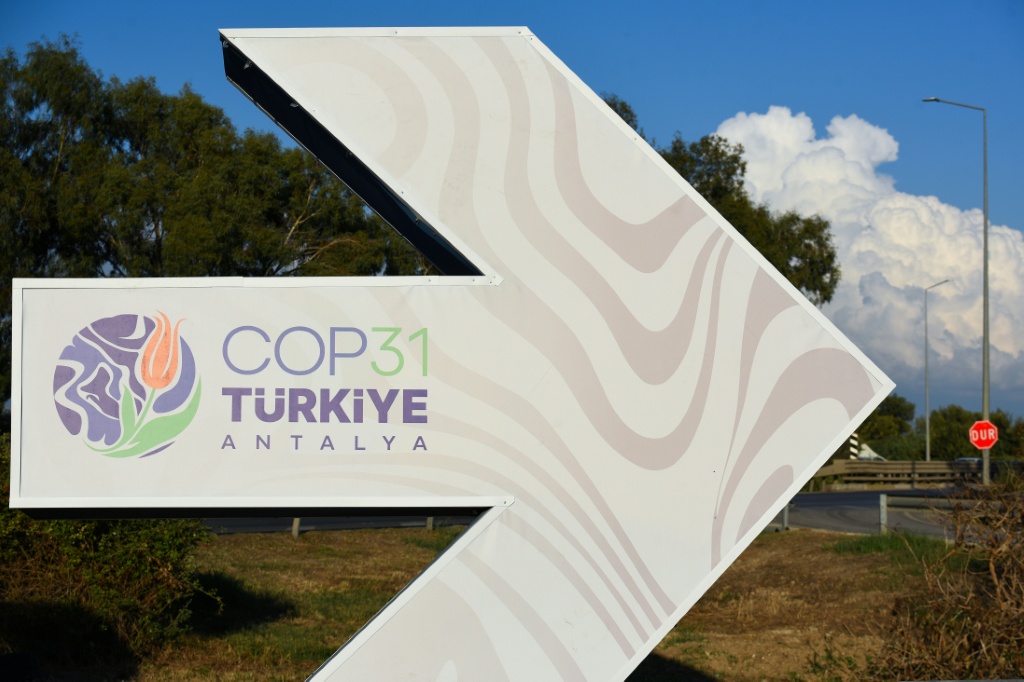
Nearly 200 nations gather for the COP31 summit in Turkey on Monday but tensions over geopolitics, finance and fossil fuels are tempering expectations of a major breakthrough in tackling the climate crisis.
More than 100,000 people are expected at the UN's two-week climate negotiations in the Mediterranean resort city of Antalya.
Tougher action on fossil fuels, the main driver of climate change, appears unlikely and budget-strapped developed countries are reluctant to commit more money to help developing nations cope with climate impacts.
An energy crisis and cost-of-living pressures, fuelled by the war in the Middle East, are also looming over the gathering.
"This is not going to be the COP that changes the world," said Paul Watkinson, France's former chief negotiator at climate summits.
"It's an intermediate COP in many ways. But it is an important conference and it does need to make sure it makes progress," he said.
A senior EU official, speaking on condition of anonymity, also tempered expectations, saying: "We cannot expect a revolution in terms of climate action from the Antalya COP."
The talks follow deadly floods in Nepal, searing heatwaves in Europe and major wildfires in Indonesia.
An exceptionally strong El Nino climate phenomenon is forecast to peak later this year, adding to extreme weather and possibly helping to make 2026 or 2027 the hottest year on record.
The outlook is increasingly bleak: the United Nations warned in September that global temperatures were on course to exceed 1.5C above preindustrial levels, breaching the most ambitious threshold set by the Paris Agreement.
Turkey is presiding over COP31, with Australia leading negotiations under an unusual arrangement that settled a dispute over who would host the conference.
"COP31 comes at a difficult time for the world," said Australian climate minister Chris Bowen. "Reaching consensus among nearly 200 countries will not be easy but cooperation remains essential."
COP31 president Murat Kurum, Turkey's environment minister, said the conference would strive "to turn the commitments of past COPs into real results".
Turkey is promoting an "action agenda" alongside the formal negotiations that encourages countries to support non-binding pledges on issues from artificial intelligence to waste management.
Its centrepiece is an "electrification" drive to raise the share of global energy demand met by electricity from around 20 percent today to 35 percent by 2035.
"This year's energy crisis has shocked us out of our complacency," Kurum said. "Electrification is the answer. It protects communities from volatile global markets and cuts emissions."
Turkey and Australia also want electrification to appear in a "cover decision" -- an overarching political statement negotiated by consensus.
The European Union has called for "clean" electrification -- a term that could spark debate over the role of fossil fuels in the Turkish initiative.
The EU official suggested the bloc might be willing to find a compromise.
"The word 'clean' may be difficult for some. There may be other ways of formulating this without having it so explicit," the official said.
Cosima Cassel, a climate diplomacy expert at think tank E3G, said the Turkish COP31 presidency's proposal was "carefully worded".
It is "quite an open pledge that I think is going to enable quite a few countries to come on board", Cassel said.
Countries committed to transition away from fossil fuels in a landmark pact at COP28 in 2023 but have struggled to agree on how to turn that pledge into action.
COP30 ended with a deal that made no explicit mention of fossil fuels after oil-producing countries opposed the language.
Instead, Brazil produced a voluntary "roadmap" with proposals for phasing out fossil fuels that each country can tailor to their circumstances.
Observers say Turkey and Australia are keen to avoid a repeat of last year's fossil fuel fight.
But a feud looms over wealthy nations' unfulfilled financial commitments to help developing countries deal with climate change.
The group of African negotiators is demanding that a pledge to triple adaptation finance -- money to cope with the worsening impacts of climate change -- be added to the negotiation agenda.
Recent elections, meanwhile, have given climate campaigners a boost, with Democrats seizing control of the US Congress in a setback to President Donald Trump, who calls global warming a hoax.
A US congressional delegation will attend COP31, but the Trump administration is not taking part in the negotiations.
Fresh from his re-election win over conservative challenger Flavio Bolsonaro, Brazilian President Luiz Inacio Lula da Silva will travel to Antalya next week.
Latest stories
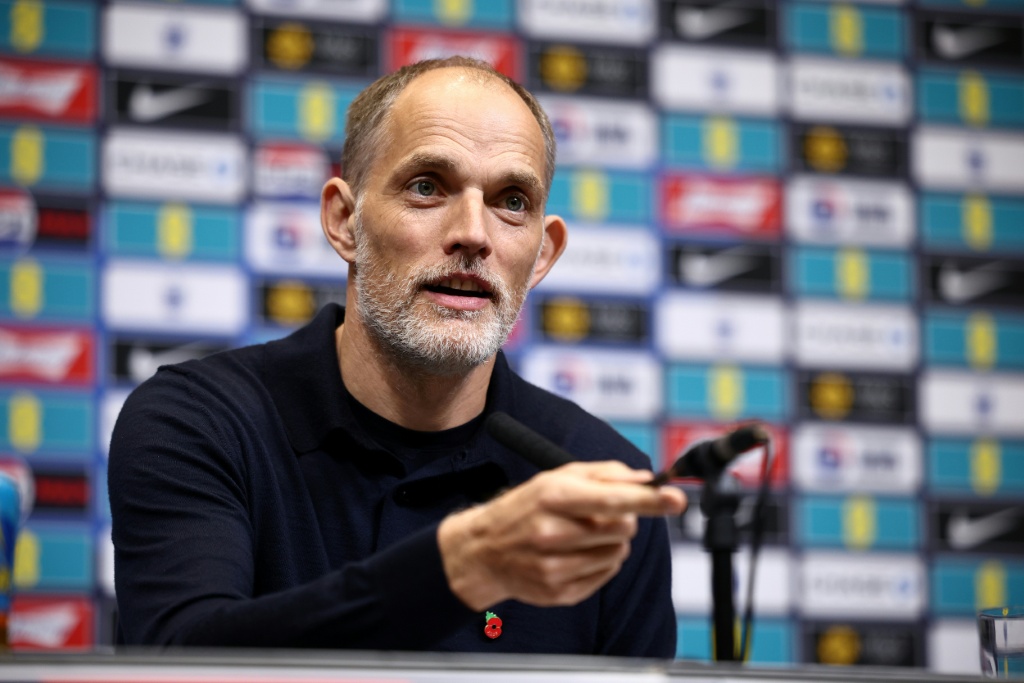
Sports Tuchel hails 'incredible' Bellingham story as Jobe joins Jude in England squad
England manager Thomas Tuchel hailed the "incredible story" of the Bellingham family after handing Jobe his first call-up alongside older brother Jude for Nations League...
Business and Economy EU investigating fraud in Spain's deadly crash rail line
The European Union is investigating the possible misuse of EU funds earmarked for the renovation of a Spanish railway line where a train crash killed...
Europe Europe bomb hoaxes spread to media as more flights hit by alerts
Several Irish media outlets reported receiving bomb threats on Friday as a wave of hoax alerts that had so far mainly targeted airlines continued across Europe, with more...