




Cuba's "reparto" genre has soared from humble beginnings to center stage of the Latin American music scene, counting Spanish superstar Rosalia and Puerto Rican artist Daddy Yankee among its fans.
Emerging roughly two decades ago in so-called "repartos," working-class neighborhoods on the outskirts of Havana, the genre did the rounds on cell phones and USB sticks before blowing up on social media.
A slick blend of energetic rhythms, catchy hooks and a generous dose of slang about money, parties and sex, reparto draws inspiration from Cuba's timba style and Latin America's world-famous reggaeton.
Bebeshito, Charly & Johayron, and Ja Rulay are some of its most popular artists of the moment, with their success driven by better internet access on the island, the arrival of Tiktok, and Cuban migration to Miami.
"After we Cuban artists set up shop in Miami and started to understand this (the music industry), that's when everything happened," Carlos Eduardo Perez told AFP at Miami's Billboard Latin Music Awards gala last month.
Listeners might not recognize his real name.
In the music world he goes by "Helabusador" -- one of many flashy nicknames that complement the extravagant clothing, thick chains, gold teeth and tattoos quintessential to "reparteros."
Although no representatives of the genre featured among the nominees, several performers walked the event's red carpet, possibly due to the raging success of "Dichavate," a track by Helabusador, Rey Tony and Ya Ice Dilan that has racked up 170 million YouTube views.
"Everybody likes reparto," said Maykol Blanco, a 24-year-old engineer who left his career to devote himself to music.
He is one of hundreds of young people trying to make it in the world of reparto, seen as a fast track to a better life in the economically battered country.
"If I land a hit, it would be amazing... I could help a lot of people," said Alianny Jaime, 19, as she recorded a song she wrote in an independent studio on the edge of the capital.
The studio, operating out of a bedroom, usually charges $100 per recording session, but Jaime has been given a free shot.
"Having money, having talent or having contacts" are the recipe for success, said studio owner Roberto Gomez.
Much of the music came to life in Cuba, but many artists rely on collaborators abroad to distribute their music and manage their income from digital platforms -- a service blocked on the island due to US sanctions.
The rise of reparto has fueled a network of producers, videographers, promoters and influencers, as the unconventional genre becomes an increasingly profitable business.
Its influence has spread to unexpected places.
In recent months, so-called "Christian reparto" has emerged, a variant that adapts the genre's rhythms to religious messages.
"If the devil is maybe using this genre so that this generation is lost... we're using it to win over this generation," said one of Christian reparto's pioneers Ayamey Smith.
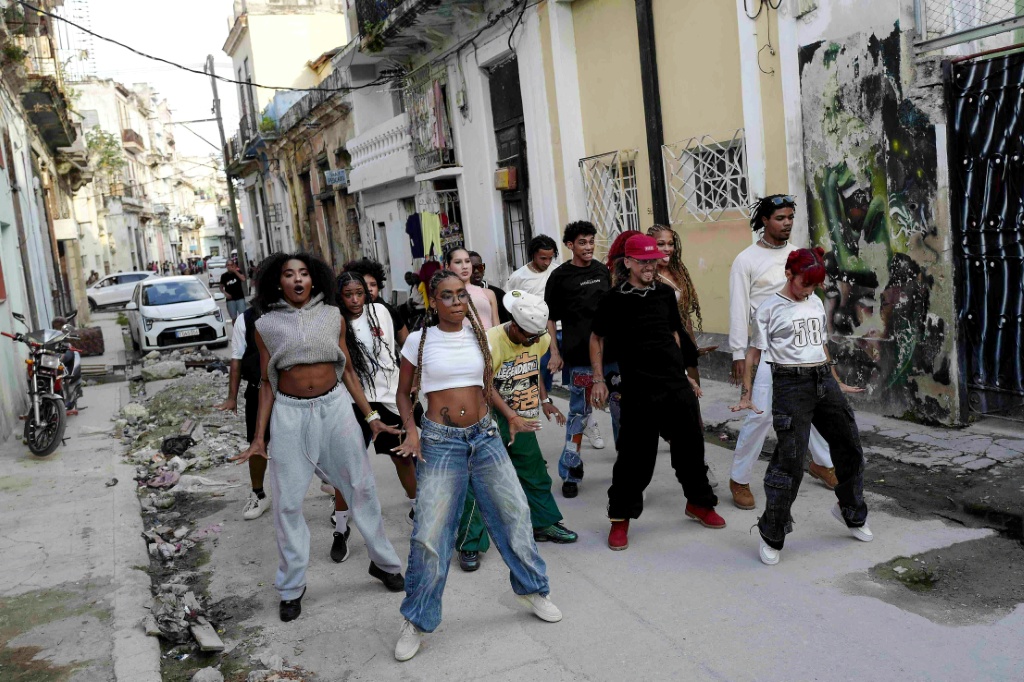
Cubans are not holding back with reparto dance moves either, and every hit has its own choreographed steps.
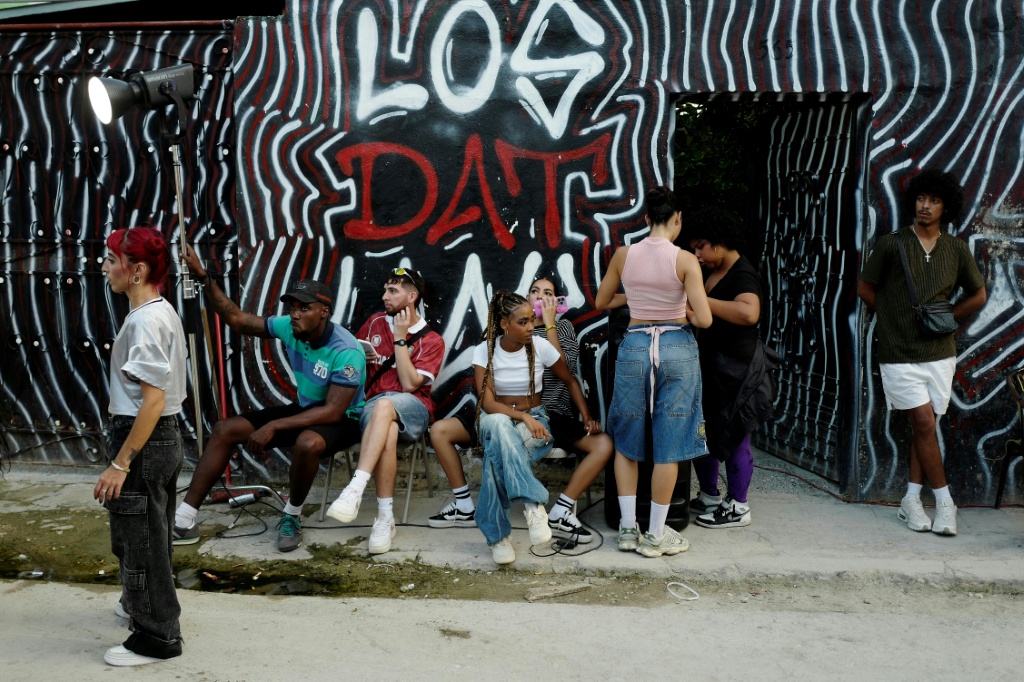
The dance group Los Datway got down to business in front of a camera in central Havana, drawing a crowd as they meticulously repeated quick shoulder, leg and hip movements.
"Dance challenges have really helped musicians get their songs to catch on, to go viral, not only here in Cuba but internationally," said one of the dancers, Paloma Duarte.
The video will end up on TikTok and Instagram within minutes.
"Being a repartero used to be looked down on. But not anymore. Now everybody dances it, everybody feels it," said Duarte.
Latest stories
US News Democrats eye first Black US House speaker in leadership vote
Hakeem Jeffries is poised to take a major step Wednesday toward becoming the first Black speaker of the US House of Representatives, as victorious Democrats choose their leader...

Asia Business Stocks slip after blockbuster Nvidia profit, Anthropic IPO
Stock markets wavered Wednesday as investors digested reassuring post-scandal results from AI titan Nvidia while awaiting the long-awaited IPO from...

Europe Germany strikes deal to ease energy costs after stormy talks
Germany's government agreed Wednesday on relief measures for households and businesses battered by the Iran war energy shock after all-night talks that again exposed...