


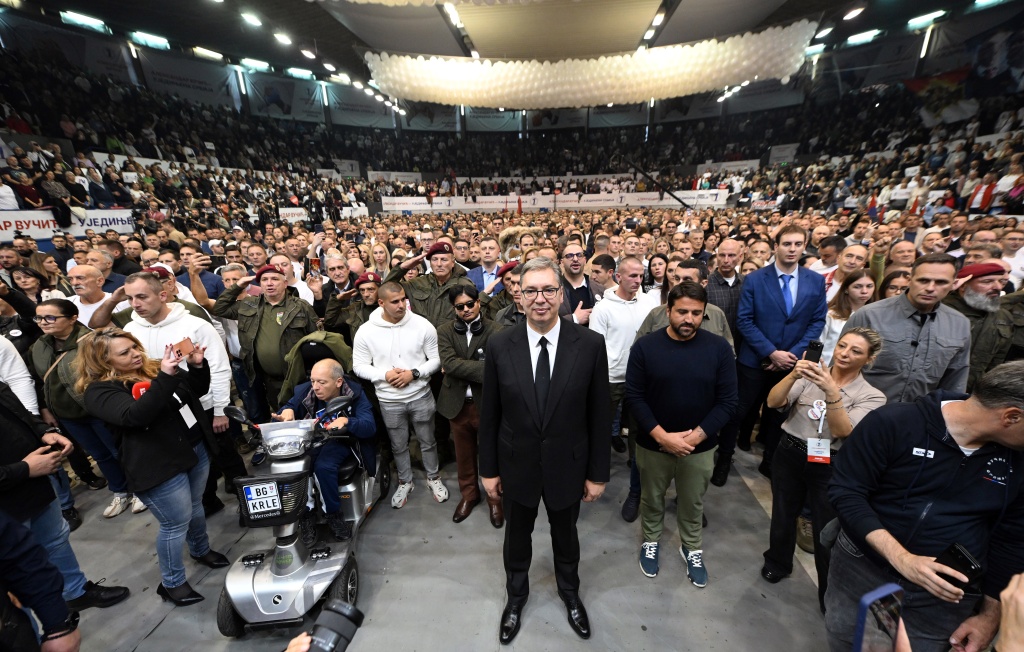
Serbia's student-led movement looked set Monday to get a clear parliament majority after widespread protests ended with a historic election triumph that forced right-wing populist leader Aleksandar Vucic to concede defeat.
Nationwide celebrations erupted after the victory in Sunday's election, which was the culmination of two years of mounting pressure on Vucic after the 2024 collapse of a canopy at Novi Sad railway station that killed 16 people.
The disaster has been widely blamed on corruption and triggered some of Serbia's largest protests since the fall of strongman Slobodan Milosevic in 2000.
"Everything smells of freedom," design student Katarina Malesevic told AFP, describing a sense of relief after Vucic's defeat.
The outcome will be closely watched across Europe as the continent faces a wave of youth-led demonstrations.
But political analyst Dusan Vucicevic said the movement differed from other protests, and "it remains unclear whether a similar model could work in other countries".
According to independent electoral watchdog CeSID, the Students' List secured 53 percent of the vote while Vucic's populist Serbian Progressive Party (SNS) garnered almost 39 percent, based on 96 percent of the count.
The result would give them 140 MPs in the 250-seat assembly, with the SNS at 103. Minority parties will get the remaining seats.
"Students won and with them also hope that Serbia can be a country of justice, freedom and dignity," Radomir Saicic, a candidate for the List, told supporters at the movement's election headquarters late Sunday.
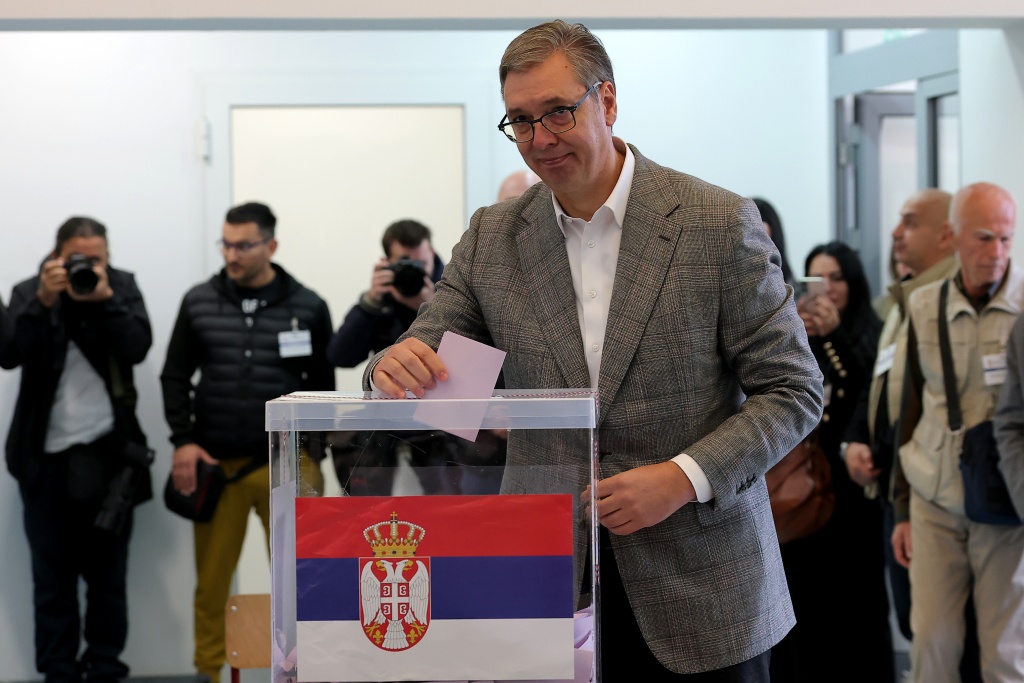
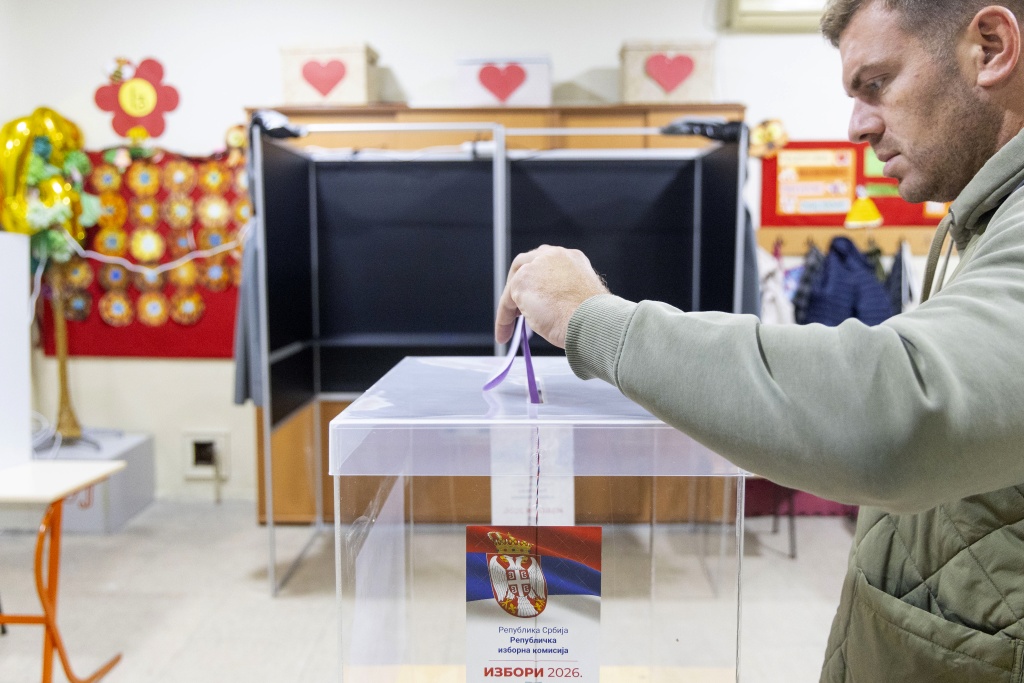
A near-record turnout of almost 70 percent likely drove the political upset.
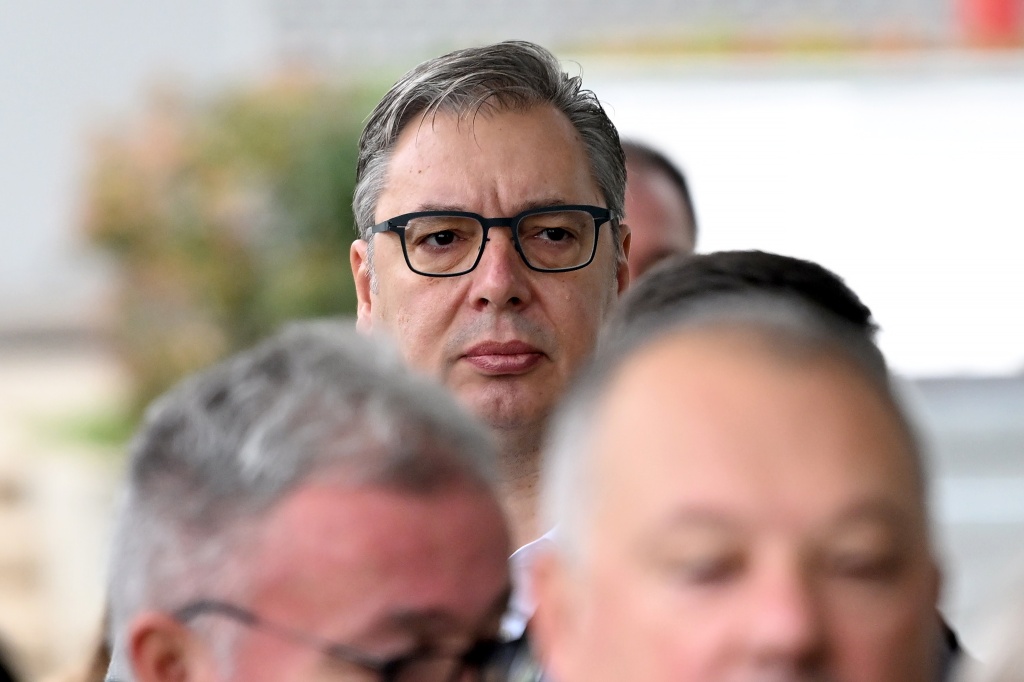
Shocking many observers, Vucic, who had resigned the presidency to run for prime minister and has grown increasingly authoritarian in recent years, conceded defeat less than two hours after polls closed.
The defeat triggered raucous scenes as supporters of the movement celebrated the downfall of a government they blamed for deep-rooted corruption.
Thousands poured into the streets of Belgrade and other cities to celebrate, with cars honking, crowds chanting, and fireworks lighting up the skyline.
Addressing supporters late Sunday, Vucic, who has maintained close ties with Russia throughout his tenure, blamed foreign powers for the result.
"I want people to know, this was the validation of a revolution carried out with the direct support of various European countries and the US deep state, the one that is also against President Trump," he said.
For nearly two years, students have organised rallies and direct voter outreach across Serbia.
Tens of thousands gathered in central Belgrade late Monday to celebrate the victory at the polls.
"I feel fantastic. I'm not walking, I'm flying!" pensioner Zvonimir Stankovic told AFP. "It's hard to explain to someone who has never lived here what it feels like after years of oppression and pressure."
Meanwhile, dozens of people, including the mother of one of the Novi Sad tragedy victims, stormed the pro-Vucic tabloid Informer premises, interrupting its regular broadcast, according to reports on local and social media.
In a video online, one man demanded Informer's editor-in-chief Dragan Vucicevic to "apologize sincerely to his free Serbian people".
After brief clashes with riot police outside the building the crowd dispersed.
Most of the student list's 250 candidates are experts from fields including academia and the arts with little political experience.
The movement has a broad platform, focused on fighting corruption.
It evolved from demands for a transparent investigation into the Novi Sad tragedy into calls for an early election.
After pushing back against the protests for almost two years, Vucic called the vote last month under mounting pressure, citing "major turbulence on the domestic political scene".
The movement has kept foreign policy issues, including Serbia's relationships with the EU and with Russia, in the background.
On Monday, the Kremlin said it hoped that Serbia's new leaders "understand that cooperation with Russia is in Serbia's interests".
The movement, from the start, "insisted that Serbia must first and foremost address its domestic political issues -- problems with the electoral process, the media environment, and the literal dismantling of every institution in Serbia, from the national to the local level," Vucicevic said.
The students are expected to prioritise institutional reform and the rule of law, which the political analyst said would bring the country closer to EU membership.
Latest stories

Latin America Venezuela leader criticizes Machado over dramatic return from exile
Venezuelan interim president Delcy Rodriguez on Monday derided the dramatic return from exile of opposition leader Maria Corina Machado, signaling immediate tensions despite Machado saying...

Sports Fainga'anuku named as loose forward for All Blacks northern tour
All Blacks coach Dave Rennie on Tuesday confirmed a positional switch for Leicester Fainga'anuku, as the winger-turned-loose-forward returned to the New Zealand...
Asia Business Brazil markets battered after Lula win, AI in focus elsewhere
Brazilian markets took a battering Monday following the shock reelection of leftist President Luiz Inacio Lula da Silva, but elsewhere investors were focused on...