


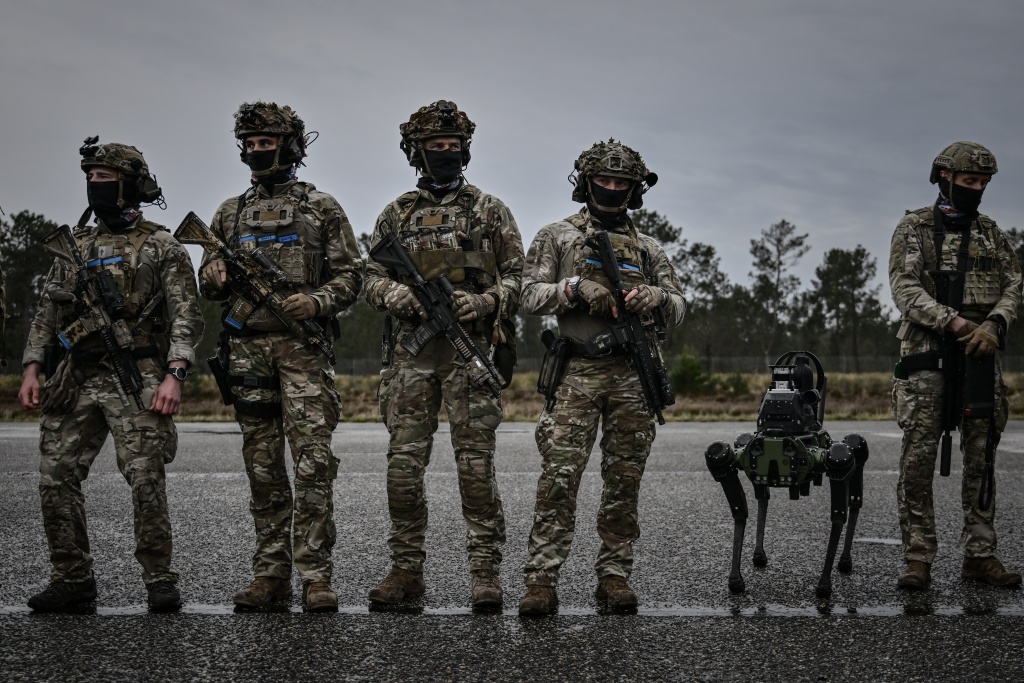
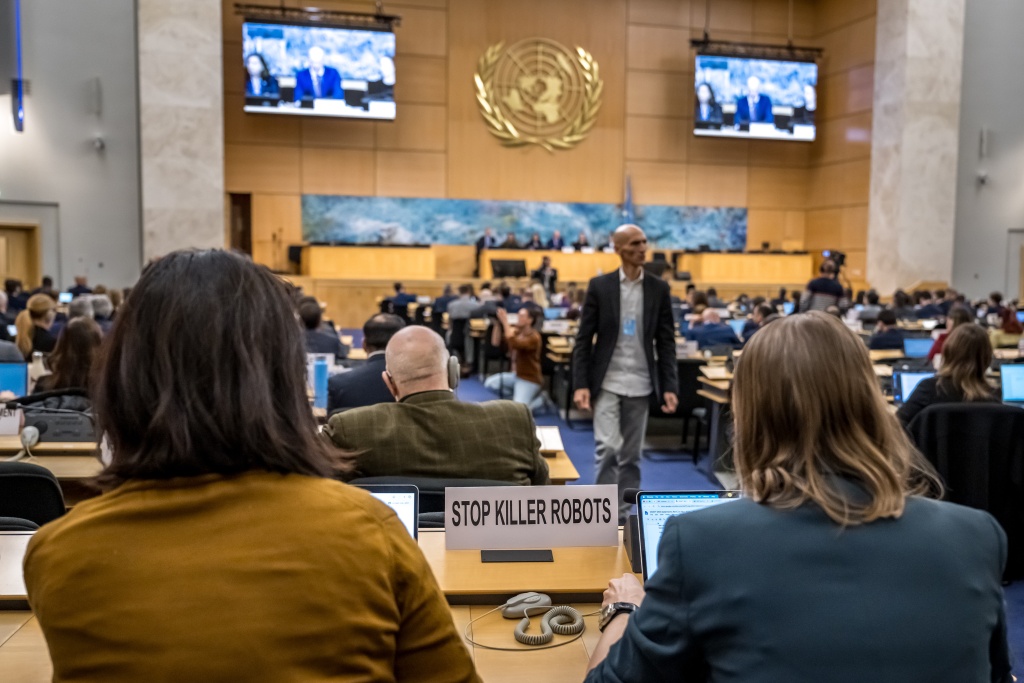
A UN conference focused on lethal autonomous weapons systems -- often dubbed "killer robots" -- stumbled before even getting started on Monday, as procedural objections from Russia blocked the adoption of an agenda.
The United Nations' Review Conference of the Convention on Conventional Weapons (CCW) kicked off with UN chief Antonio Guterres appealing for countries to work towards imposing strict and binding rules on the use of lethal autonomous weapons systems, or LAWS.
"Take action to prevent the use and spread of these merciless weapons," he said in a video message.
Warfare is undergoing a radical transformation as armies seek to capitalise on artificial intelligence to boost their fighting abilities by identifying and striking targets more quickly, and with greater accuracy.
Amid a chorus of warnings against handing the power of life and death to autonomous machines, representatives from the 128 countries that are parties to the convention are this week due to determine whether or not to launch negotiations towards regulating the use of such weapons.
"I call on you to move towards negotiating a legally binding instrument to regulate autonomous weapon systems -- including clear prohibitions and restrictions," Guterres said.
Others have also warned of the dangers if LAWS are permitted to select and kill targets without human intervention.
The NGO Human Rights Watch told the conference that a failure to act would leave civilians "dangerously exposed".
But even before discussions could begin on Monday, Russia triggered a procedural stand-off by objecting to allowing observers -- including the European Union and civil society organisations -- to participate in the debate.
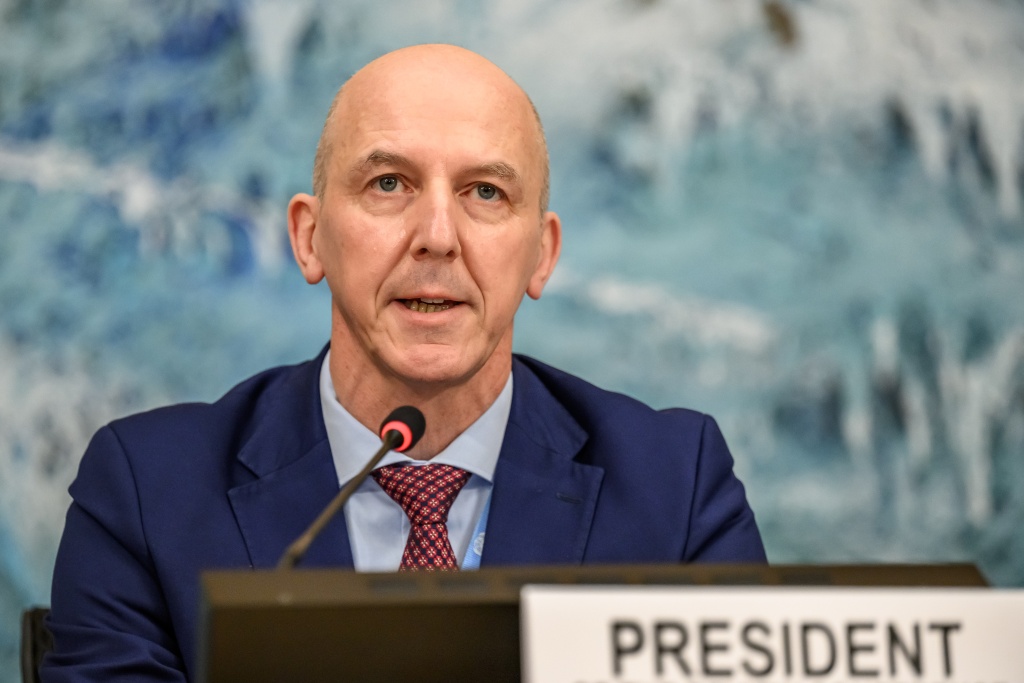
This blocked the adoption of an agenda for the talks and brought proceedings to a halt before noon, as conference president Julien Thoni, of Switzerland, ordered informal consultations in a bid to resolve the deadlock.
But six hours later, Thoni said he was still seeking "a solution to our current procedural impasse" and that closed-door informal discussions would continue on Tuesday.
"You can count on the full, positive and constructive support of the Russian Federation," Moscow's representative said.
Campaigners suggested the Russian move was a bid to dodge criticism of its own alleged use of such weapons in its war in Ukraine.
"States must ensure that Russia, or any of the handful of governments blocking progress, are not allowed to hold the future hostage," insisted Anna Hehir, head of military AI governance at the Future of Life Institute.
"The stakes are too high."
The discussions had always been expected to be challenging, with countries at odds, and full consensus needed for any decisions.
While many states are in favour of tighter rules, countries that have the technology, including the United States and Russia, are reluctant to have their hands tied.
The International Committee of the Red Cross is calling for a ban on two categories of autonomous weapons: so‑called "unpredictable autonomous weapons" and those designed or used to directly target humans.
"States have a crucial responsibility to ensure that the future of warfare is not handed over to machines," ICRC president Mirjana Spoljaric said ahead of the conference.
"Future generations will judge whether leaders acted to prevent a world where machines autonomously kill humans."
But positions appear to be far apart.
At the UN General Assembly in New York last month, 163 states adopted a resolution calling for negotiations on rules governing autonomous weapons.
Five countries voted against: the United States, Russia, Belarus, Israel and North Korea, which last week boasted of a new AI-enabled torpedo system.
Nine abstained, including Iran, Saudi Arabia and China, which has maintained a "carefully cultivated ambiguity", said Laure de Roucy-Rochegonde of the French Institute of International Relations.
And while Washington has proposed a five‑year process to develop a non‑binding instrument, NGOs and the ICRC are advocating for a one‑year timeline towards binding rules.
Latest stories

Sports Injured Maye could miss rest of season: reports
New England Patriots quarterback Drake Maye will miss an extended period, potentially the rest of the NFL season, with a significant lower leg injury...

Arts and Entertainment UK actor Robert Pattinson to be new James Bond
After months of speculation, British actor Robert Pattinson was Monday named as the new James Bond, stepping into the coveted role of the...

Europe S.Leone 'destroying reputation' by hiding drug boss: Dutch minister
Dutch Justice Minister David van Weel Monday hit out at Sierra Leone, thought to be harbouring one of Europe's most-wanted drug lords, saying his presence...